

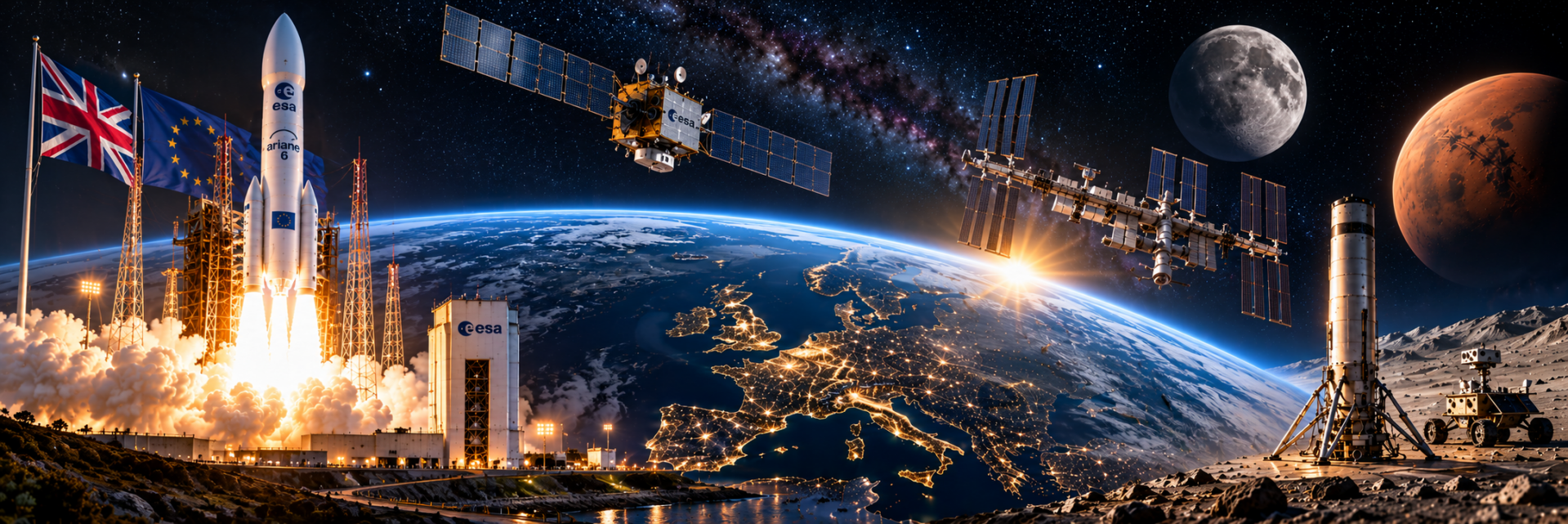
Future European Space Missions & Projects
Discover the future of British and European space exploration, from upcoming lunar and planetary missions to advanced propulsion, reusable launch systems and independent spaceflight capabilities. This page covers projects led by the UK, European Space Agency (ESA) and European industry, alongside international collaborations with partners including Japan, Canada, India and Australia. Follow planned missions, emerging technologies and long-term ambitions shaping Europe's future in space.

Future UK Space Missions & Technologies
The United Kingdom is developing new capabilities in satellite technology, orbital transportation, space sustainability and launch systems. Supported by the UK Space Agency, British research institutions and commercial industry, these projects aim to expand the country's role in space exploration, strengthen independent European capabilities and support future international missions.
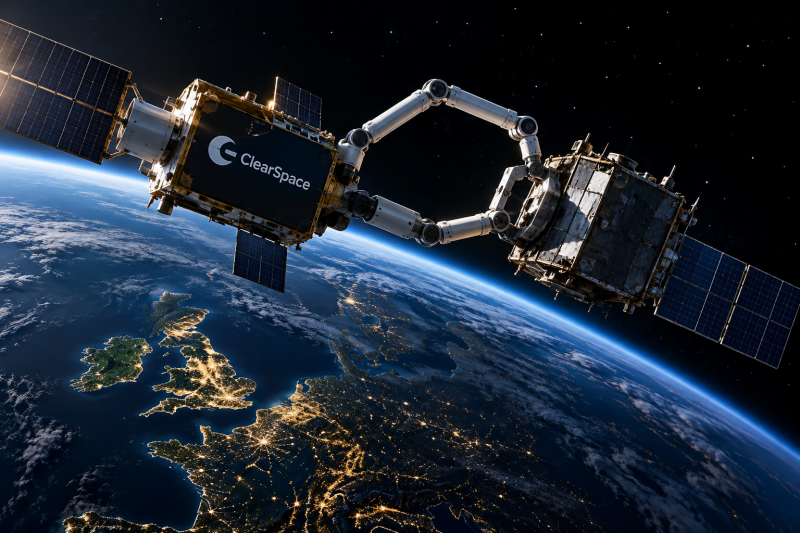
UK Active Debris Removal — Cleaning Up Earth's Orbit
Planned launch: 2029 | Operations targeted through 2032
Led by ClearSpace UK with support from the UK Space Agency, this pioneering mission will use robotic capture technology to remove two defunct satellites from orbit. Launching from Scotland's SaxaVord Spaceport, the spacecraft will demonstrate technologies for future satellite servicing, refuelling and orbital sustainability, strengthening Britain's independent space capabilities.
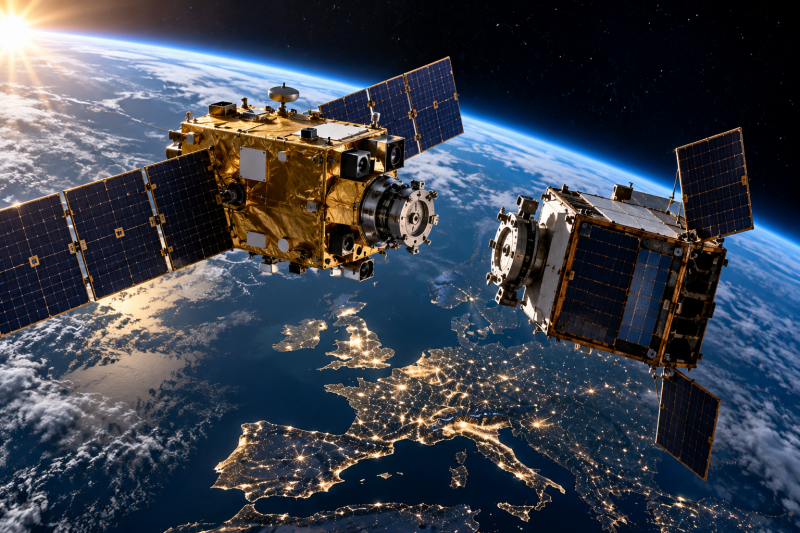
ELSA-M — European Satellite Removal & Orbital Servicing
Developed and built by Astroscale UK in Oxfordshire, ELSA-M will demonstrate the removal of a retired Eutelsat OneWeb satellite using magnetic docking technology. Supported by the UK Space Agency and ESA, the mission will launch aboard Germany's Isar Aerospace Spectrum rocket from Norway. It represents an important UK–European collaboration in developing commercial satellite removal services and sustainable orbital operations.
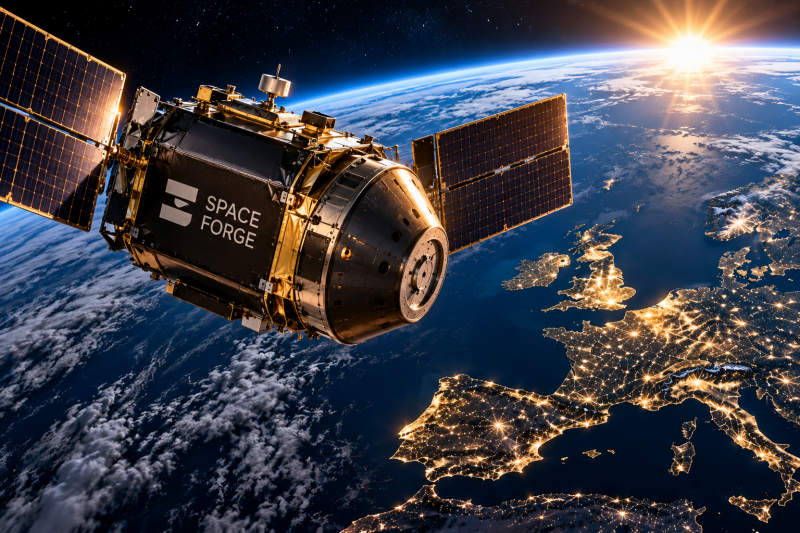
Space Forge — The Future of Manufacturing in Orbit
Cardiff-based Space Forge is developing reusable spacecraft capable of manufacturing advanced semiconductor materials in orbit and returning them to Earth. Its ForgeStar-1 satellite, launched in June 2025, successfully demonstrated plasma generation in microgravity. Supported by the UK Space Agency and ESA, the company is advancing its Pridwen heat shield technology to enable future recoverable manufacturing missions, with £10 million in additional UK funding announced in June 2026.

Skyrora XL — Developing Britain's Independent Launch Capability
Scottish aerospace company Skyrora is developing Skyrora XL, a three-stage rocket designed to launch small satellites into low Earth orbit from British soil. The programme combines domestically developed propulsion systems, advanced manufacturing and testing facilities in Scotland. Following successful engine testing in October 2026, the company is working towards an orbital launch around 2030, supporting Britain's ambition to establish independent satellite launch capabilities.

SaxaVord Spaceport — Britain's Gateway to European Space
Located on Unst in Scotland's Shetland Islands, SaxaVord Spaceport is developing Britain's first operational vertical orbital launch capability. Working with German companies Rocket Factory Augsburg and HyImpulse, the spaceport will support small satellite launches, scientific experiments and emerging European launch technologies. Backed by UK and European investment, SaxaVord represents an important step towards independent access to orbit from British soil.

Future ESA & European Space Missions
Europe is developing a new generation of space missions, from lunar infrastructure and planetary exploration to advanced scientific observatories. Led by the European Space Agency, national space agencies and European industry, these projects aim to expand scientific discovery, establish long-term capabilities beyond Earth and strengthen Europe's role in international space exploration.
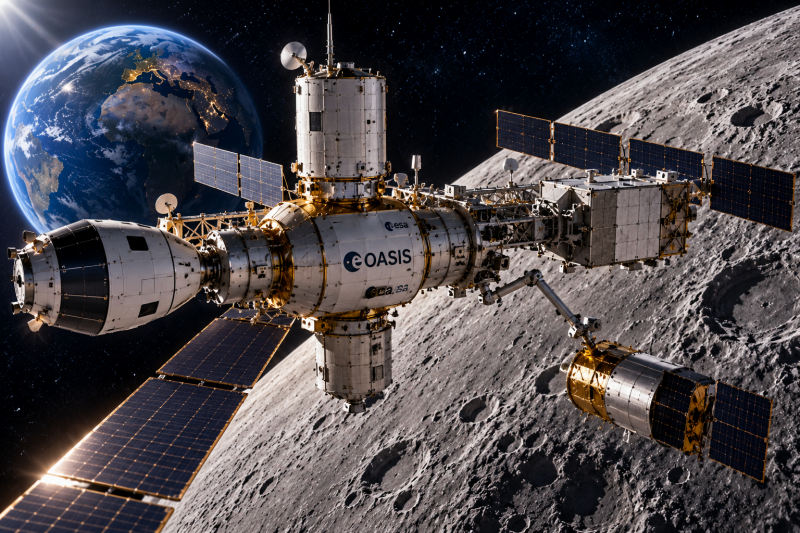
OASIS — Europe's Future Lunar Service Station
The European Space Agency is developing OASIS (Outpost for Advanced Scientific Investigation Station), a modular lunar service station designed to provide power, communications and data storage for scientific instruments operating on the Moon. Led by Germany's OHB during its preliminary studies, OASIS could support experiments for years by providing survival power during the two-week lunar night. The concept forms part of Europe's wider lunar infrastructure ambitions, alongside Argonaut and Moonlight.
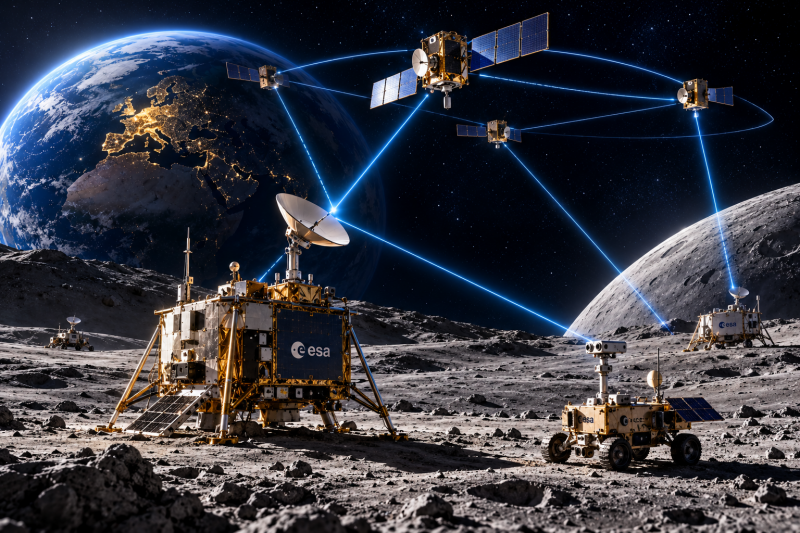
Moonlight — Europe's Lunar Communications & Navigation Network
The European Space Agency's Moonlight programme aims to establish a network of satellites providing communications and navigation services around the Moon. Led by European industry, with significant British involvement, the system will support future lunar landers, scientific instruments and human exploration. Working alongside projects such as OASIS and Argonaut, Moonlight will help establish the infrastructure needed for sustained lunar operations and strengthen Europe's independent capabilities beyond Earth.
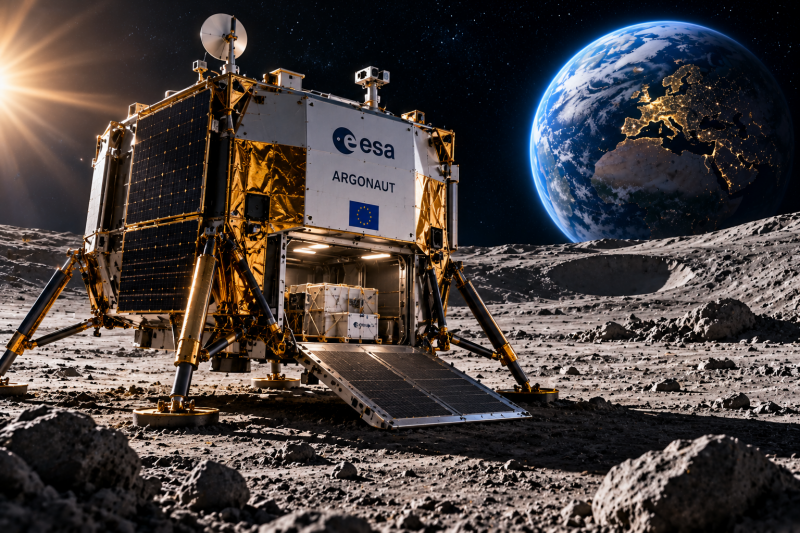
Argonaut — Europe's Future Lunar Cargo Lander
The European Space Agency is developing Argonaut, an autonomous lunar lander designed to deliver scientific instruments, equipment and supplies to the Moon. Led by European industry, the spacecraft will transport approximately 1,500 kilograms of cargo to the lunar surface, supporting future robotic exploration and international lunar missions. Alongside Moonlight and the proposed OASIS service station, Argonaut will contribute to Europe's long-term lunar infrastructure and independent exploration capabilities.
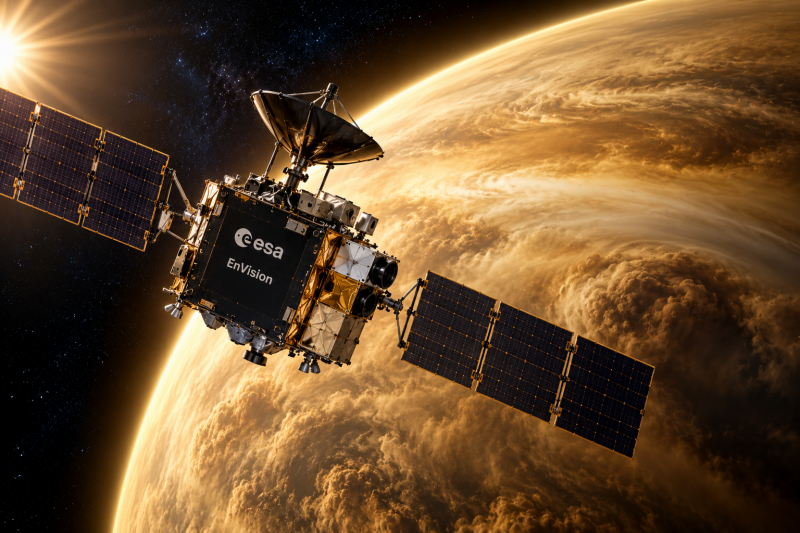
EnVision — Exploring the Secrets of Venus
The European Space Agency's EnVision mission will investigate Venus from its atmosphere to its interior, examining volcanic activity, geological history and why the planet evolved so differently from Earth. Scheduled for launch aboard Ariane 6 in November 2031, the spacecraft will use advanced radar and spectroscopic instruments to study the planet's surface and climate. British scientists and engineers are contributing to the mission, including propulsion technology developed by Nammo UK.
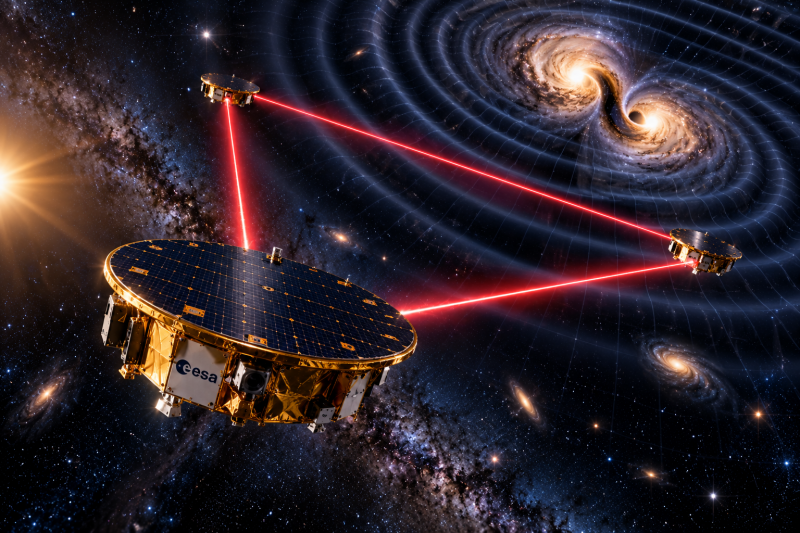
LISA — Detecting Gravitational Waves from Space
The European Space Agency's Laser Interferometer Space Antenna (LISA) will become the first space-based observatory dedicated to detecting gravitational waves. Scheduled for launch aboard Ariane 6 in 2035, three spacecraft will form a vast triangle separated by 2.5 million kilometres, using precision lasers to measure distortions in spacetime caused by merging black holes and other cosmic events. British scientists and engineers are developing key optical instruments and data-processing capabilities for this pioneering European-led mission.
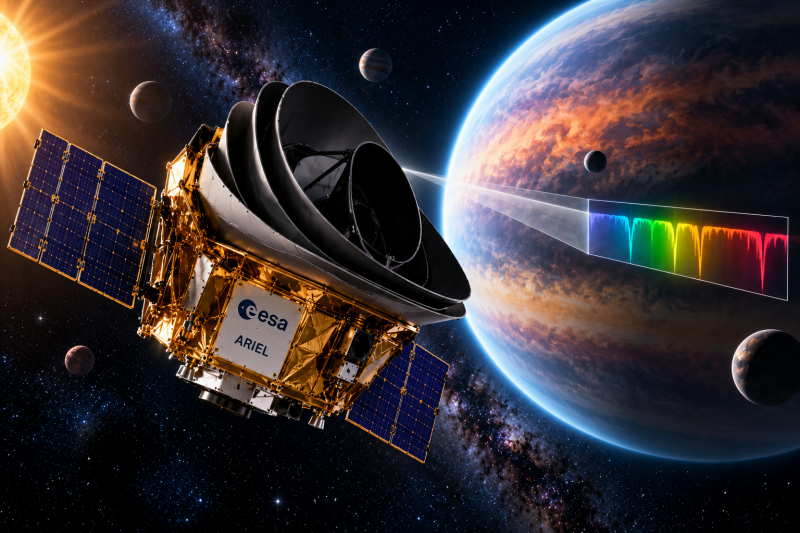
Ariel — Exploring the Atmospheres of Distant Worlds
Led scientifically by the United Kingdom, ESA's Ariel mission will study the atmospheres of approximately 1,000 exoplanets, investigating their chemical composition, formation and evolution. British institutions, including University College London, RAL Space and Cardiff University, are leading major scientific and engineering contributions. Scheduled for launch aboard Ariane 6 in 2031, Ariel will help scientists understand the diversity of planetary systems and the conditions that shape worlds beyond our Solar System.
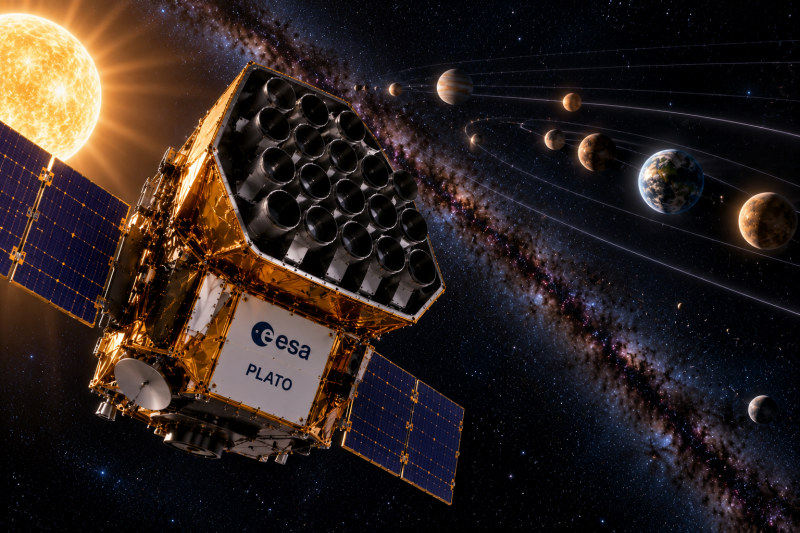
PLATO — Searching for Earth-Like Worlds
The European Space Agency's PLATO mission will search for rocky exoplanets, particularly those orbiting Sun-like stars within potentially habitable zones. Scheduled for launch aboard Ariane 6 in March 2027, its 26 cameras will monitor more than 200,000 stars, detecting planetary transits and investigating stellar characteristics. British scientists and engineers play leading roles in the mission, contributing advanced imaging technology, scientific management and data analysis to Europe's search for potentially habitable worlds.
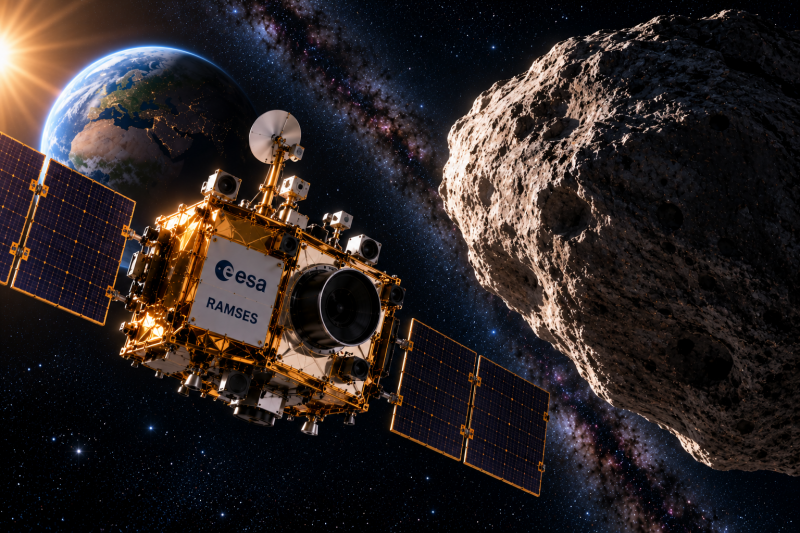
Ramses — Investigating Asteroid Apophis
The European Space Agency's Ramses mission will investigate asteroid Apophis during its exceptionally close approach to Earth on 13 April 2029. The spacecraft will study the asteroid's surface, internal structure and physical changes caused by Earth's gravitational influence. Developed through European scientific and industrial collaboration, Ramses will advance planetary defence research and improve our understanding of potentially hazardous near-Earth objects.
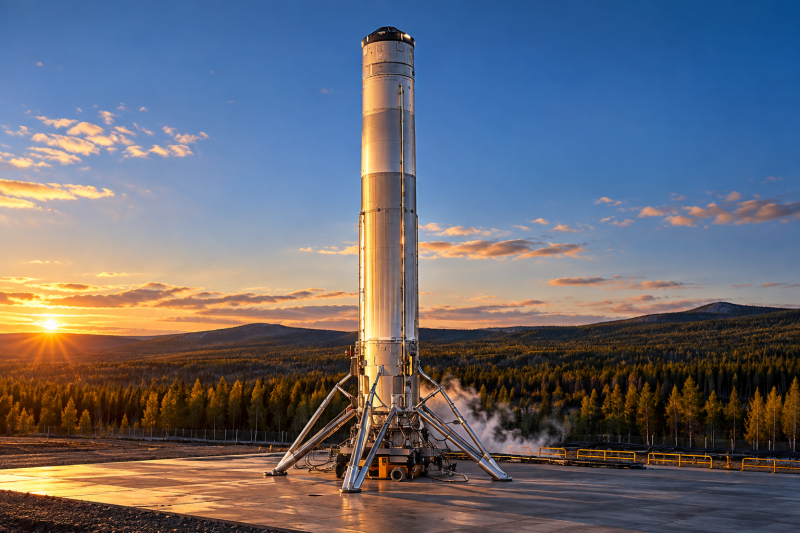
Themis & Prometheus — Europe's Reusable Rocket Technologies
The European Space Agency and ArianeGroup are developing Themis, a reusable rocket-stage demonstrator powered by the advanced Prometheus engine. Designed to launch and land vertically, Themis will test technologies that could reduce launch costs and strengthen Europe's independent access to space. Developed through cooperation between France, Germany, Sweden and other European partners, the programme represents an important step towards future reusable European launch vehicles.
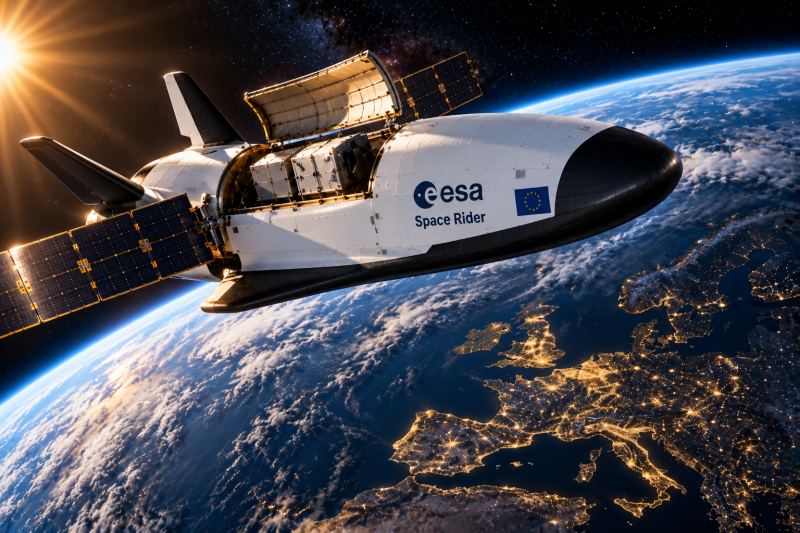
Space Rider — Europe's Reusable Orbital Spacecraft
The European Space Agency is developing Space Rider, an uncrewed reusable spacecraft designed to conduct scientific experiments, test advanced technologies and return valuable materials from orbit. Launched aboard Europe's Vega-C rocket, it will operate in low Earth orbit for approximately two months before returning to Earth for refurbishment and future missions. Led by European industry, the programme will strengthen Europe's independent orbital transportation capabilities and support research in microgravity, manufacturing and satellite technologies.
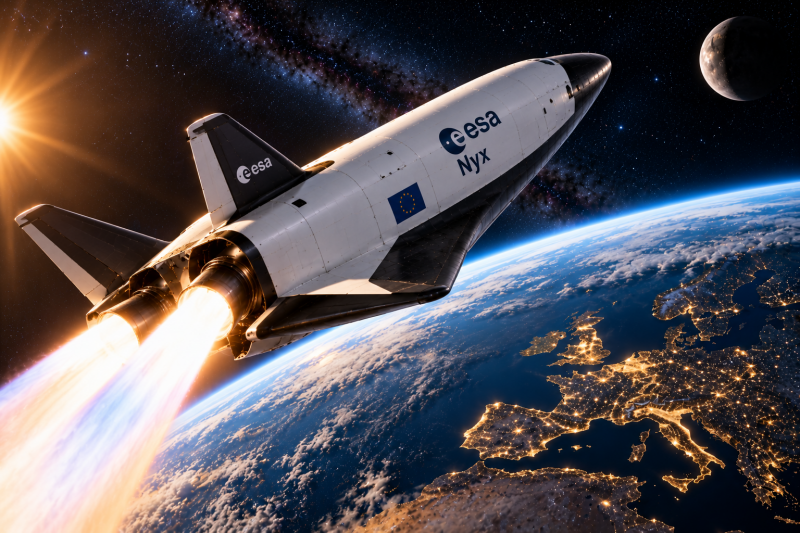
Nyx — Europe's Future Independent Space Transportation
The Exploration Company is developing Nyx, a reusable European spacecraft designed to transport cargo to orbital space stations and return equipment and scientific experiments to Earth. In September 2026, ESA awarded the company a €760 million contract under its ALADDIN programme to develop and demonstrate autonomous cargo transportation. Although initially designed for uncrewed missions, the technology could provide a foundation for future European human spaceflight capabilities, reducing dependence on international transportation providers.
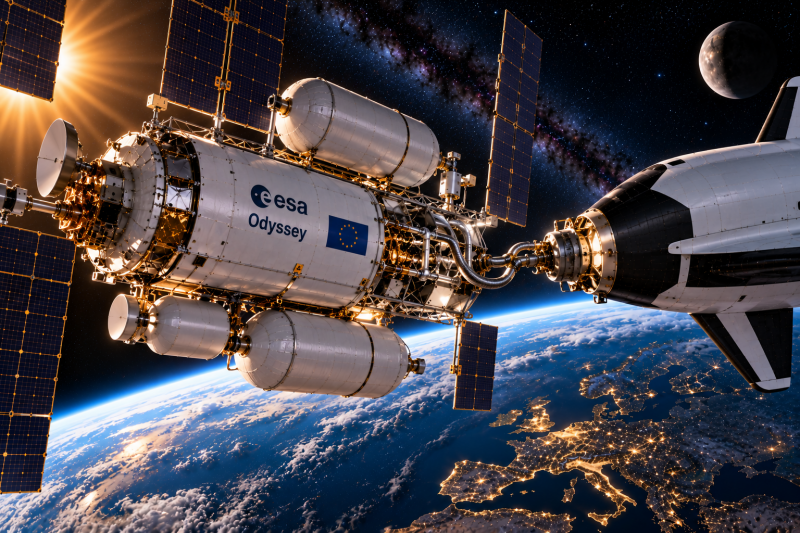
Odyssey — Europe's Future Orbital Refuelling Infrastructure
The European Space Agency is developing Odyssey, a proposed orbital refuelling depot designed to extend spacecraft lifetimes and support reusable space transportation. Working with European industry, ESA is advancing technologies for autonomous docking, fuel transfer and orbital logistics. Future depots could refuel satellites, reusable space tugs and exploration spacecraft, reducing dependence on new launches and strengthening Europe's independent capabilities in Earth orbit and beyond.
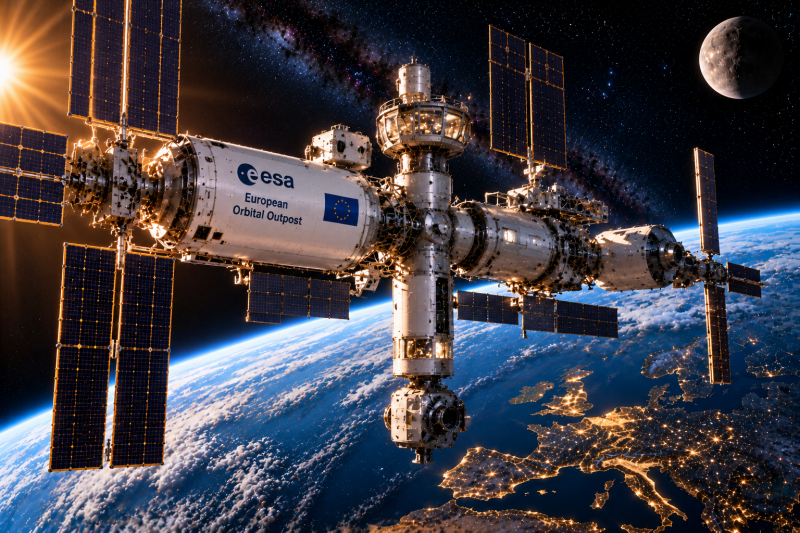
European Orbital Outpost — A Future Independent Space Station
The European Space Agency is investigating the development of a European-led orbital station to support astronauts, scientific research and advanced technology after the International Space Station retires. In September 2026, ESA confirmed parallel feasibility studies led by Germany's Airbus Defence and Space and OHB, examining potential station designs, transportation systems and international partnerships. The proposed outpost could strengthen Europe's independent human spaceflight capabilities while providing opportunities for collaboration with international partners.
The Future of European Space Exploration
From British satellite technologies and independent launch systems to lunar infrastructure, planetary exploration and future orbital stations, Europe is developing capabilities that could reshape its role in space. Continued investment, scientific cooperation and partnerships with international allies will determine how these ambitions progress from research and development into operational missions.