

Research Archive

Independent research examining the microwave auditory effect, Havana Syndrome, radiofrequency technologies and related sensing systems.
This archive brings together scientific literature, experimental research, official assessments and technical analysis, while clearly distinguishing established evidence from interpretation, hypothesis and proposed technological architectures.
Research archive
Explore curated dossiers combining rigorous scientific literature, declassified documentation, and hypothesis-driven analysis across emerging disciplines.

Havana Syndrome & Anomalous Health Incidents
An evidence-led examination of Havana Syndrome, including reported symptoms, medical research, government and intelligence assessments, sensor evidence, RF feasibility and competing explanations.
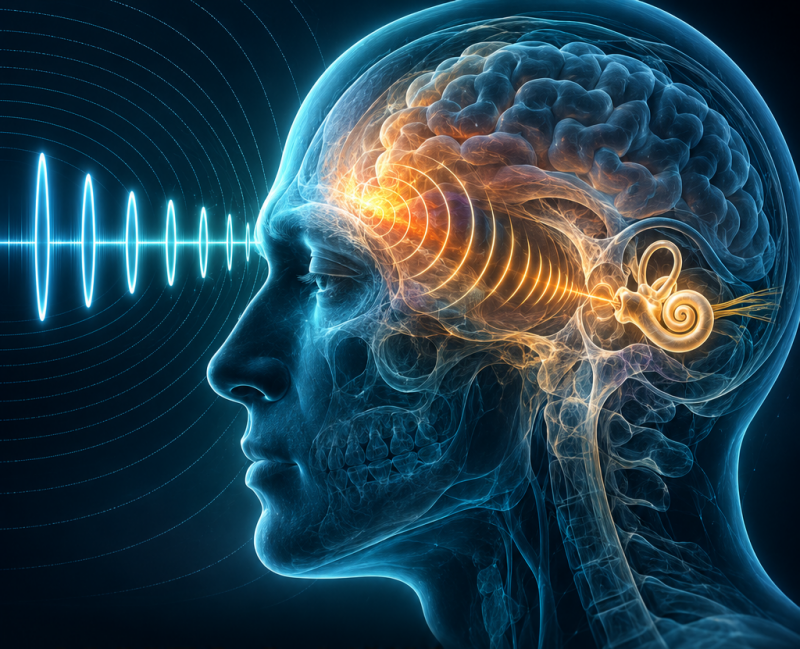
The Microwave Auditory Effect
Research into the experimentally established microwave auditory effect, from early investigations and proposed biophysical mechanisms to demonstrated modulation techniques, including encoded signals and speech-related experiments.

The US–Soviet/Russian Connection
Explore the parallel and interconnected history of U.S. and Soviet/Russian research into the microwave auditory effect, including scientific exchanges, experiments and the historical links between the two research traditions.
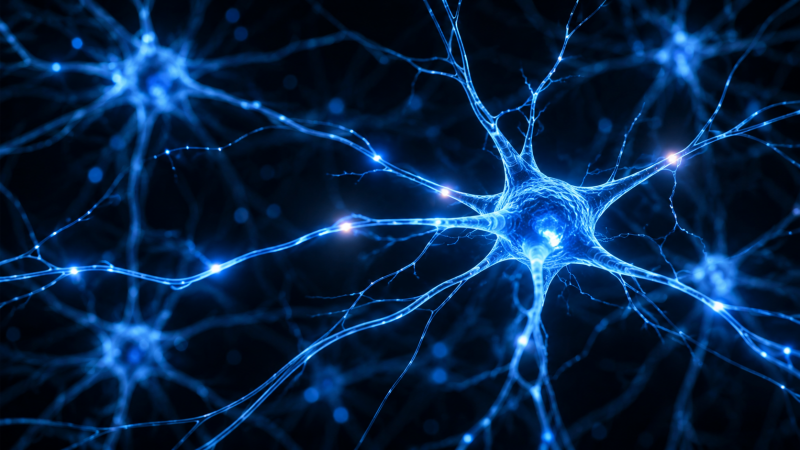
The Science of Perception
Explore how physical signals become meaningful experiences in the brain, including auditory processing, neural oscillations and the mechanisms through which structured signals can contribute to perceived sound and speech.

Technology-Focused Hypothesis
A working hypothesis examining whether established microwave-auditory phenomena could, in principle, be combined with modern RF engineering, sensor fusion, tracking, digital-twin modelling and software-defined systems.

RF Sensing & Digital Twins
Independent research exploring whether distributed RF measurements, propagation modelling and multi-band sensing could contribute to persistent digital representations of physical environments.